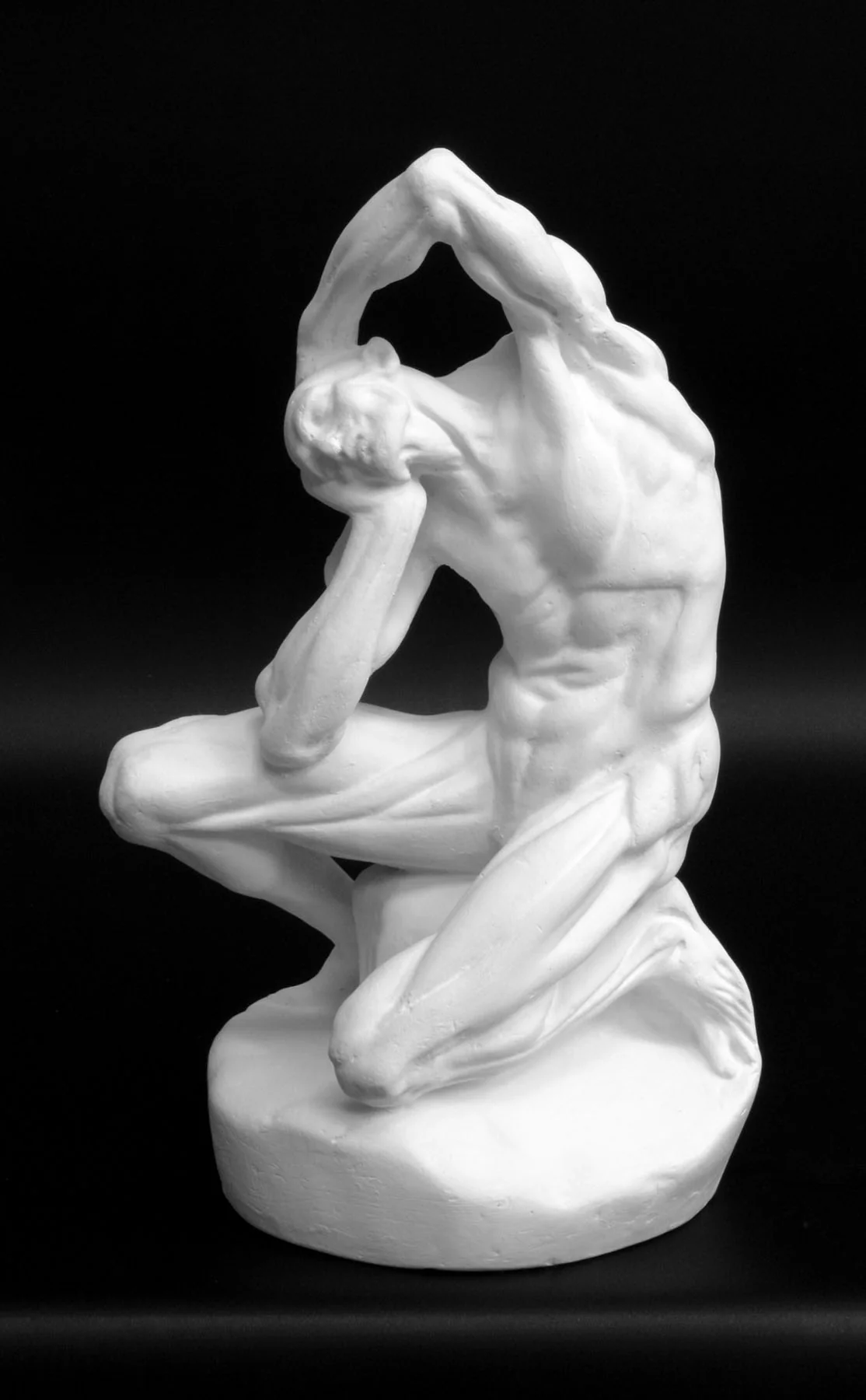
Anatomy of Man 2 - Item #605
10 Inches High x 5.5 Inches Wide x 5.5 Inches Deep
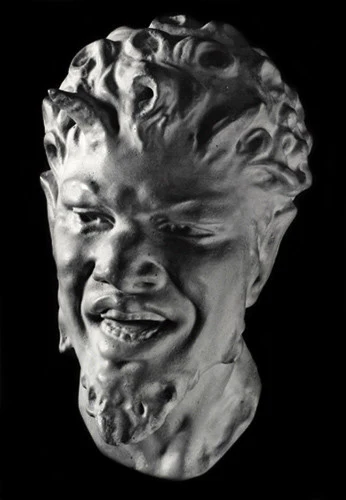
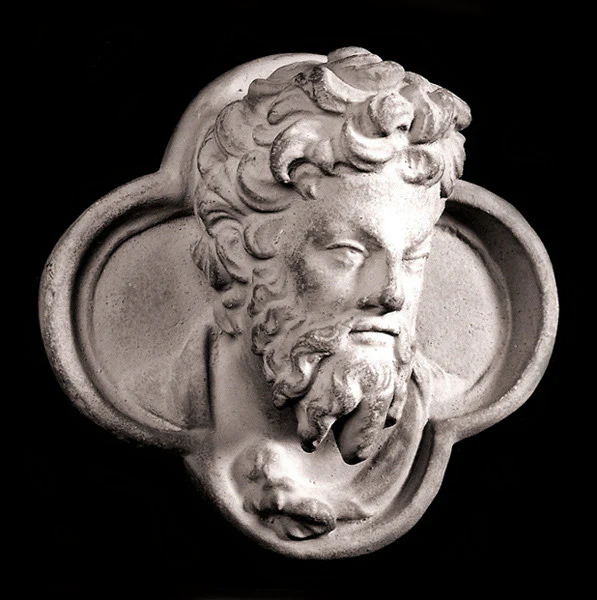
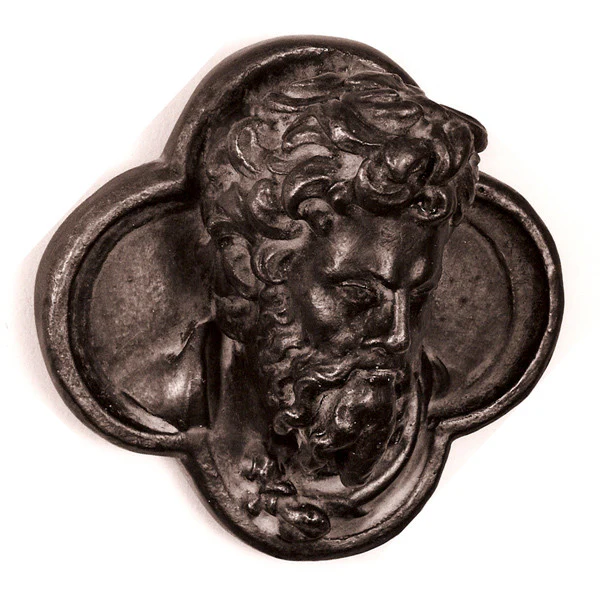
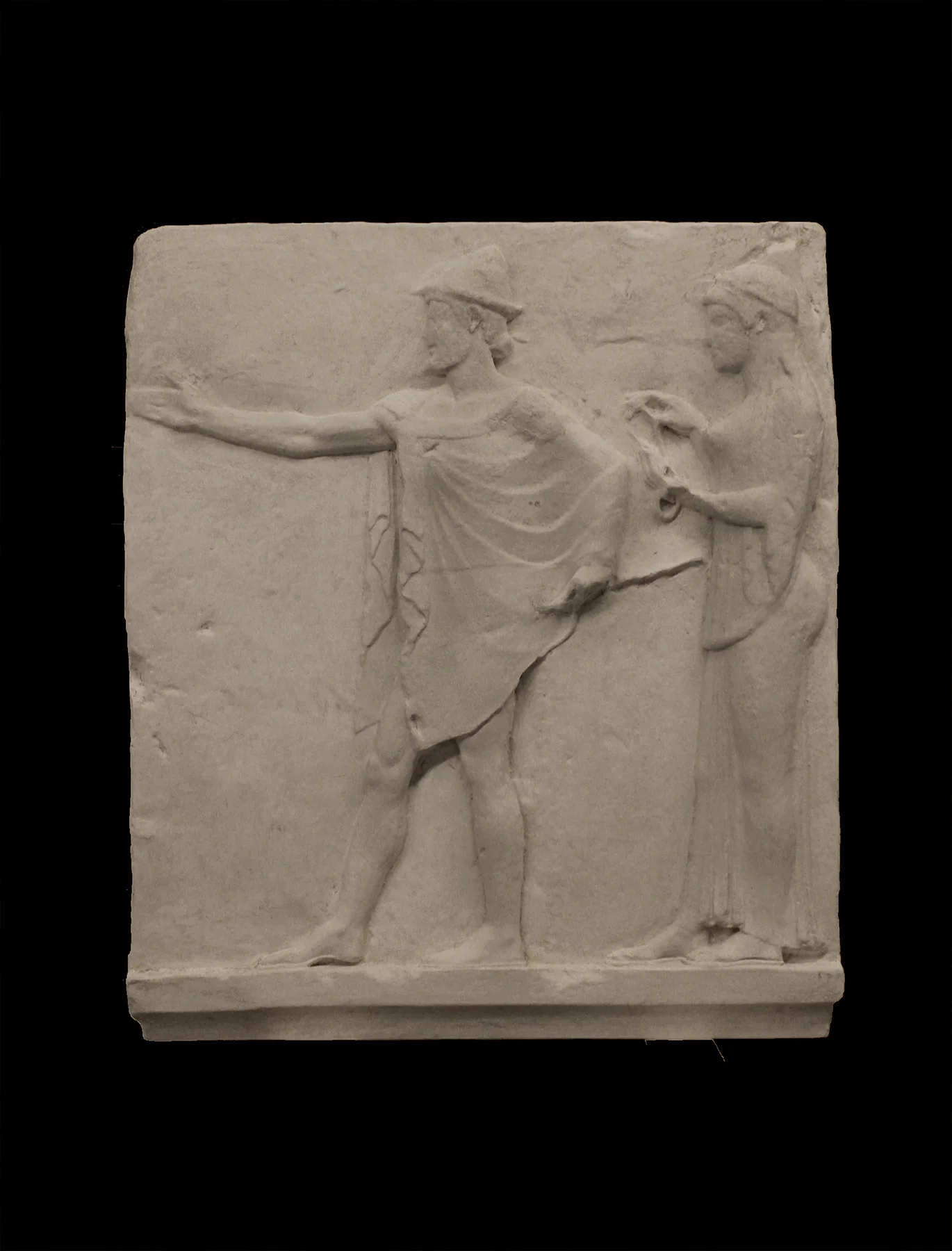
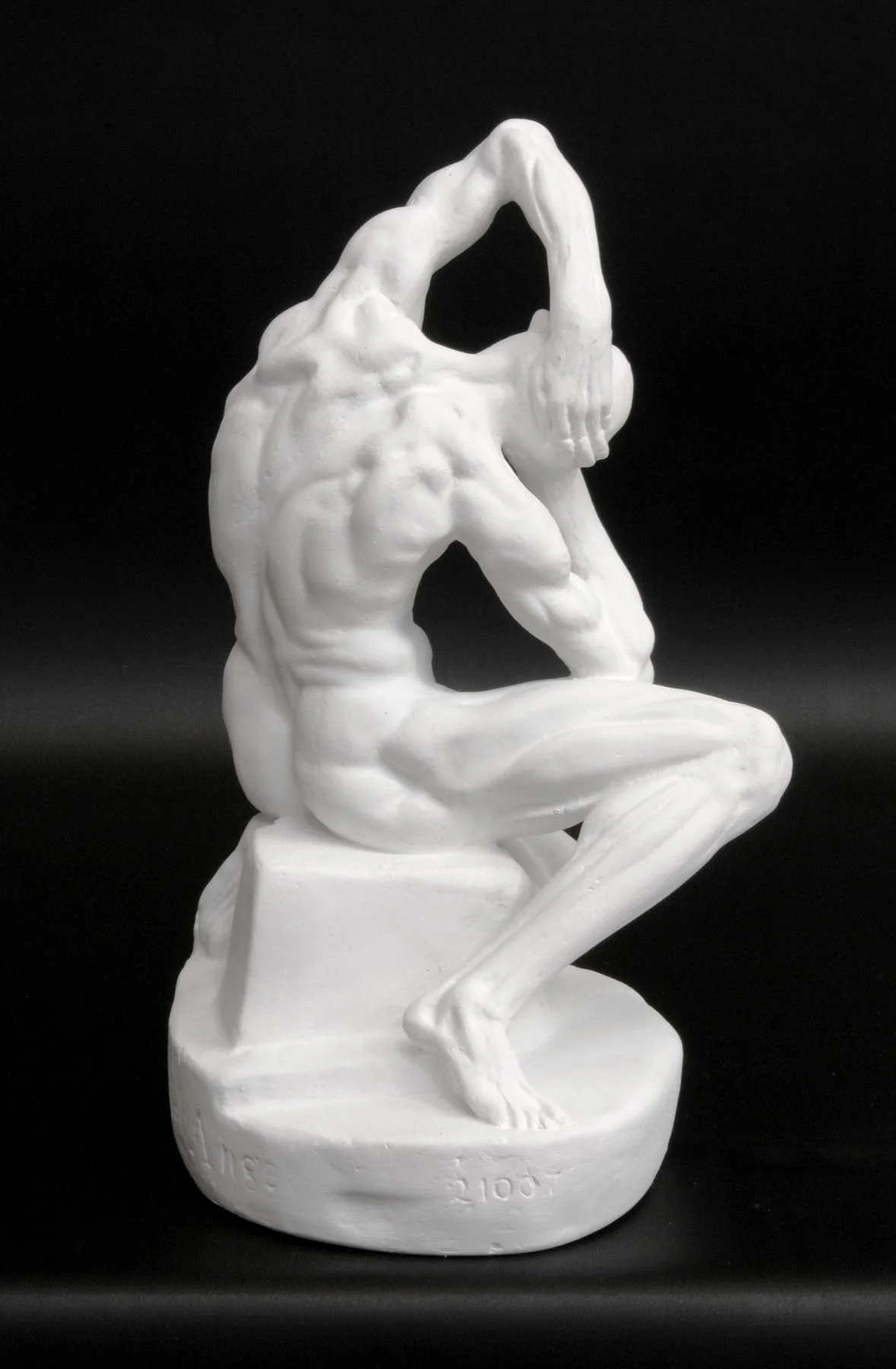
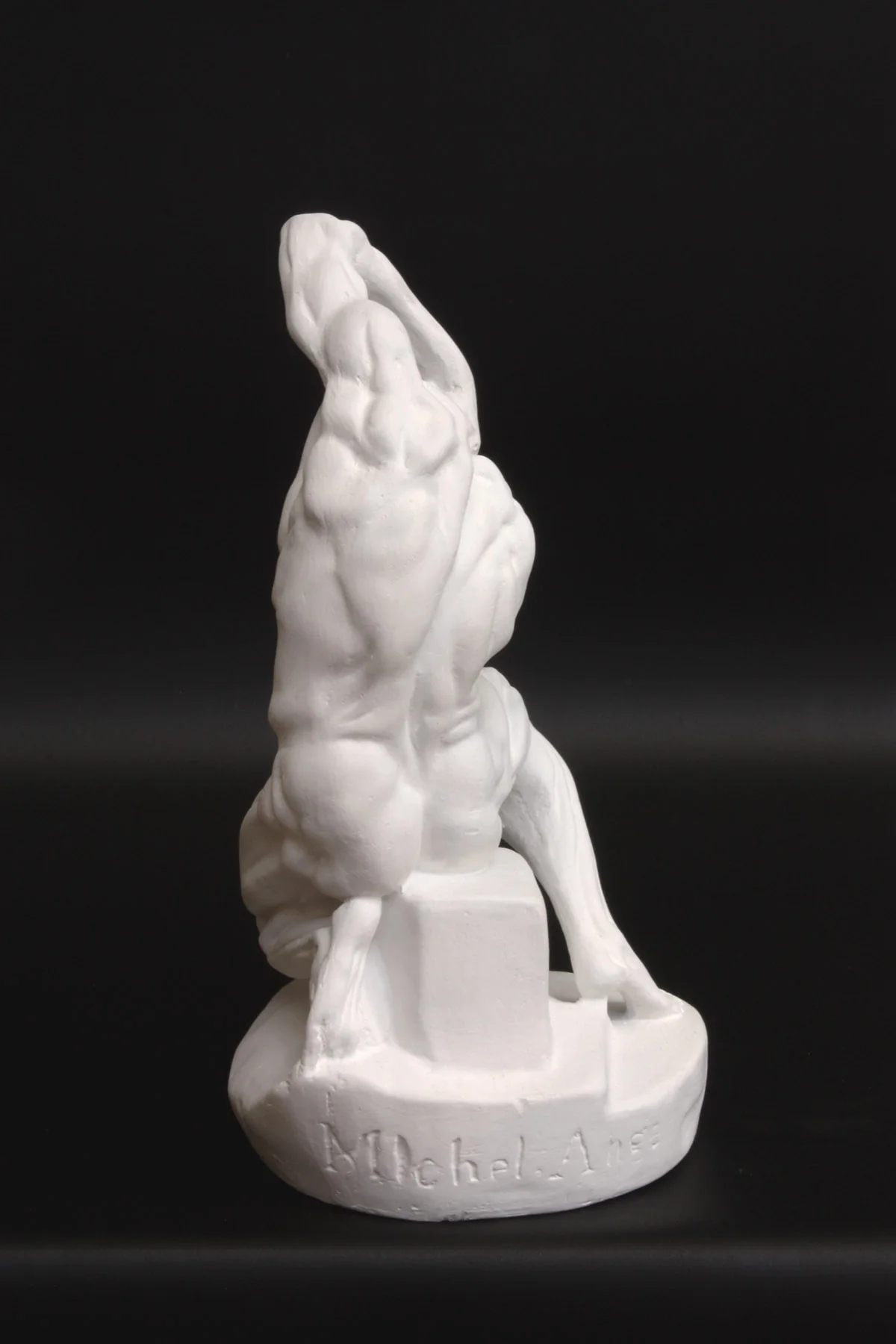
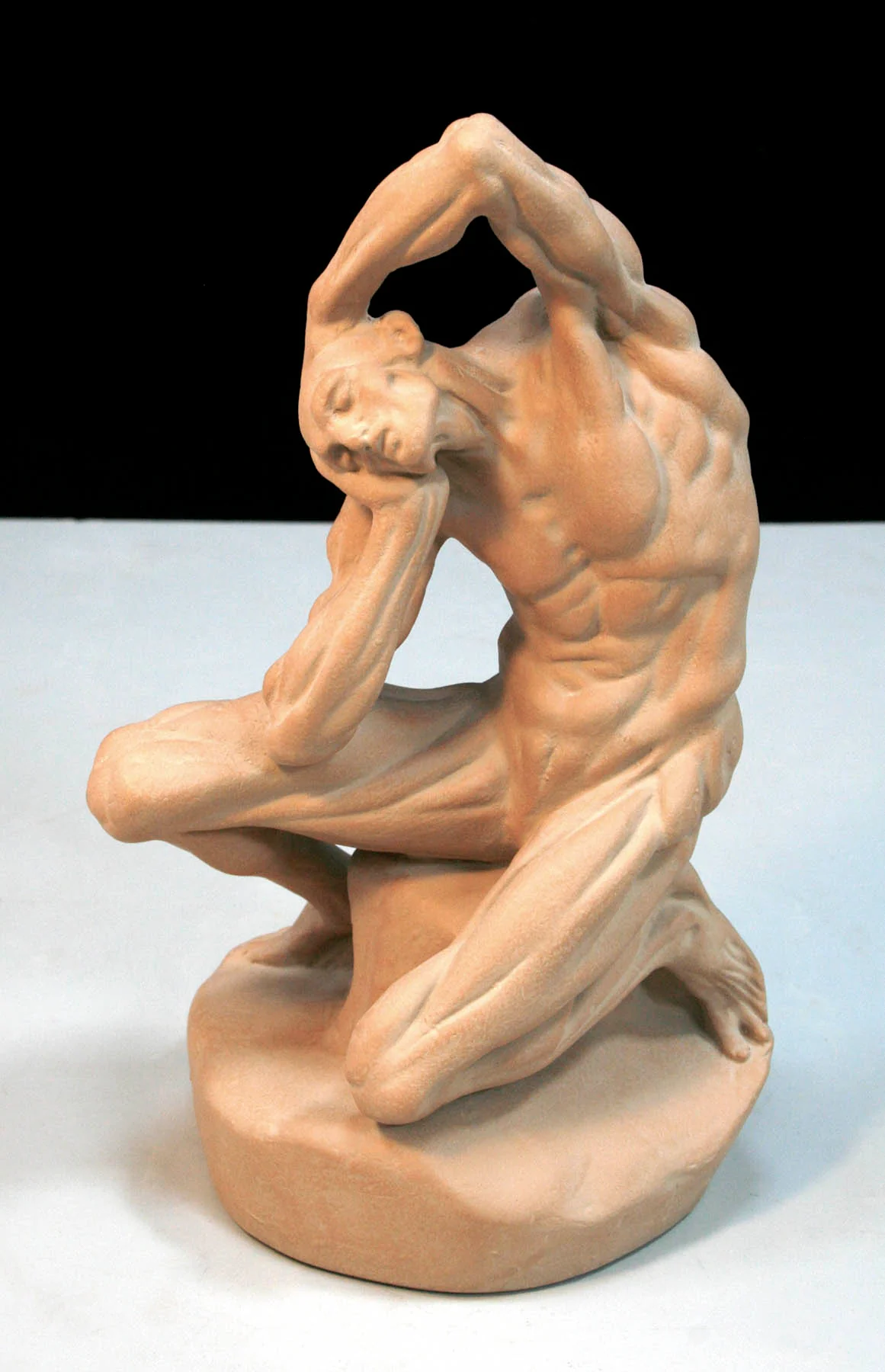
The wax original of this écorché was thought to have been sculpted by Michelangelo, though today it is attributed to the French sculptor Pierre Puget (1620-1694). If so, it is possible he could have created it with reference to an earlier work made by Michelangelo, one of his students, or someone working in his style. It has been a popular art study piece for centuries; it was drawn and painted by Vincent van Gogh in the 1880s.
Artist: Attributed to Pierre Puget
Museum: Bode Museum, Berlin
Time Period: Baroque
1911 Catalog ID # - 21007
Sources:
Köster, Berthold and Erik Tjebbes. "Van Gogh's plaster models examined and restored." Van Gogh Museum Journal, 1997-1998, pp. 68-75. Digital Library of Dutch Arts, https://www.dbnl.org/tekst/_van012199701_01/_van012199701_01_0007.php.
Shell, Oliver. "Seeing Figures: Exhibition and Vision in Matisse's Sculpture." Matisse: Painter as Sculptor, edited by Dorothy Kosinski, Jay McKean Fisher, and Steven Nash, Yale University Press, 2007, pp. 49-72. GoogleBooks, https://books.google.com/books?id=Ude3CN2LRpMC&printsec=frontcover&source=gbs_ge_summary_r&cad=0#v=onepage&q&f=false.
Tomkins-Lewis, Mary. "Courbet, Cézanne and the Studio as Stage." Société Paul Cezanne, 30 Oct. 2013, http://www.societe-cezanne.fr/2013/10/30/courbet-cezanne-and-the-studio-as-stage-par-mary-tomkins-lewis/.
"Vincent van Gogh: Kneeling Ecorché." Van Gogh Museum, https://vangoghmuseum.nl/en/collection/d0035V1962.
"Vincent van Gogh: Kneeling Ecorché." Van Gogh Museum, https://vangoghmuseum.nl/en/collection/s0102V1962.
Original: $260.00
-65%$260.00
$91.00More Images
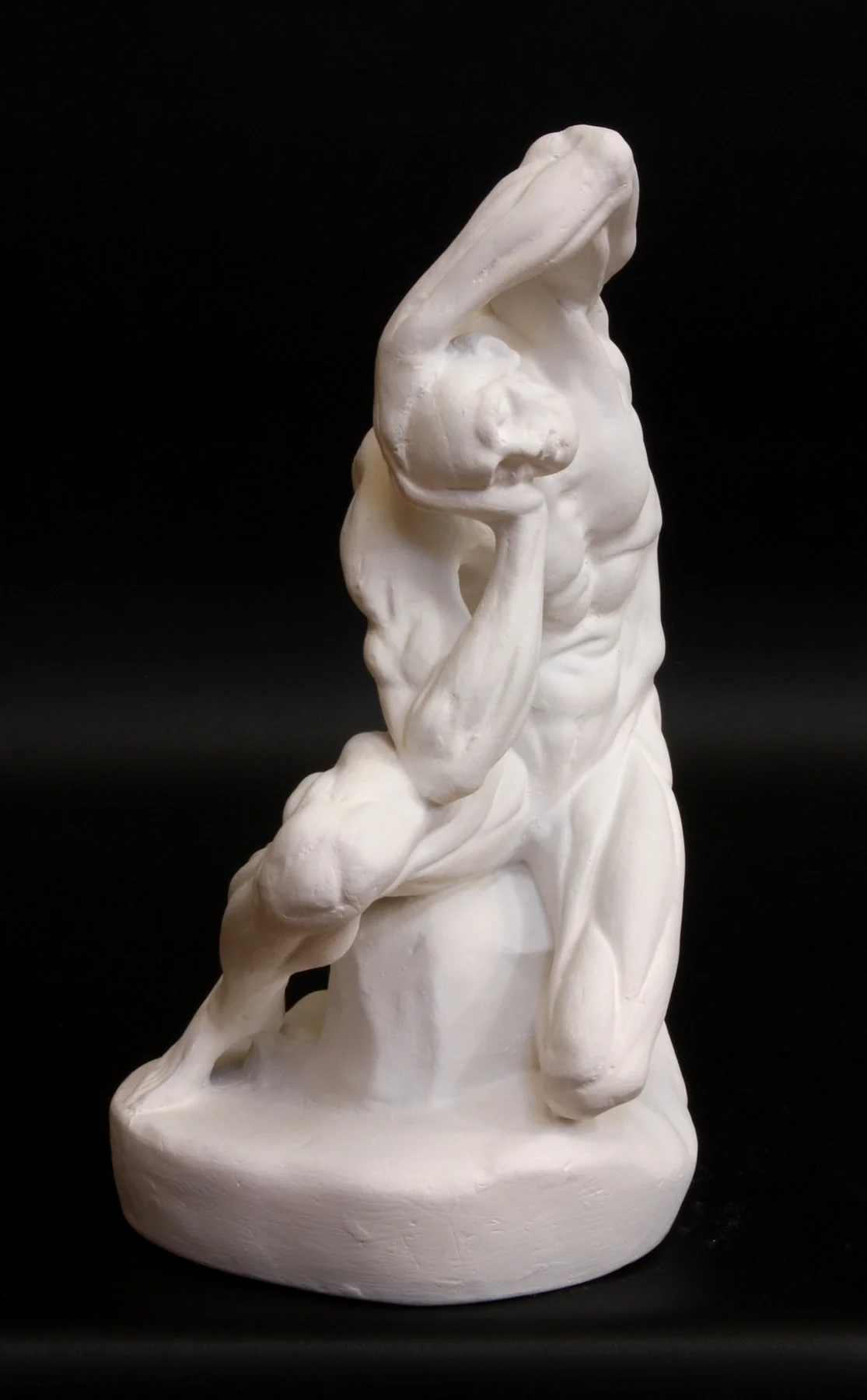
Anatomy of Man 2 - Item #605
10 Inches High x 5.5 Inches Wide x 5.5 Inches Deep
The wax original of this écorché was thought to have been sculpted by Michelangelo, though today it is attributed to the French sculptor Pierre Puget (1620-1694). If so, it is possible he could have created it with reference to an earlier work made by Michelangelo, one of his students, or someone working in his style. It has been a popular art study piece for centuries; it was drawn and painted by Vincent van Gogh in the 1880s.
Artist: Attributed to Pierre Puget
Museum: Bode Museum, Berlin
Time Period: Baroque
1911 Catalog ID # - 21007
Sources:
Köster, Berthold and Erik Tjebbes. "Van Gogh's plaster models examined and restored." Van Gogh Museum Journal, 1997-1998, pp. 68-75. Digital Library of Dutch Arts, https://www.dbnl.org/tekst/_van012199701_01/_van012199701_01_0007.php.
Shell, Oliver. "Seeing Figures: Exhibition and Vision in Matisse's Sculpture." Matisse: Painter as Sculptor, edited by Dorothy Kosinski, Jay McKean Fisher, and Steven Nash, Yale University Press, 2007, pp. 49-72. GoogleBooks, https://books.google.com/books?id=Ude3CN2LRpMC&printsec=frontcover&source=gbs_ge_summary_r&cad=0#v=onepage&q&f=false.
Tomkins-Lewis, Mary. "Courbet, Cézanne and the Studio as Stage." Société Paul Cezanne, 30 Oct. 2013, http://www.societe-cezanne.fr/2013/10/30/courbet-cezanne-and-the-studio-as-stage-par-mary-tomkins-lewis/.
"Vincent van Gogh: Kneeling Ecorché." Van Gogh Museum, https://vangoghmuseum.nl/en/collection/d0035V1962.
"Vincent van Gogh: Kneeling Ecorché." Van Gogh Museum, https://vangoghmuseum.nl/en/collection/s0102V1962.
Product Information
Product Information
Shipping & Returns
Shipping & Returns
Description
10 Inches High x 5.5 Inches Wide x 5.5 Inches Deep
The wax original of this écorché was thought to have been sculpted by Michelangelo, though today it is attributed to the French sculptor Pierre Puget (1620-1694). If so, it is possible he could have created it with reference to an earlier work made by Michelangelo, one of his students, or someone working in his style. It has been a popular art study piece for centuries; it was drawn and painted by Vincent van Gogh in the 1880s.
Artist: Attributed to Pierre Puget
Museum: Bode Museum, Berlin
Time Period: Baroque
1911 Catalog ID # - 21007
Sources:
Köster, Berthold and Erik Tjebbes. "Van Gogh's plaster models examined and restored." Van Gogh Museum Journal, 1997-1998, pp. 68-75. Digital Library of Dutch Arts, https://www.dbnl.org/tekst/_van012199701_01/_van012199701_01_0007.php.
Shell, Oliver. "Seeing Figures: Exhibition and Vision in Matisse's Sculpture." Matisse: Painter as Sculptor, edited by Dorothy Kosinski, Jay McKean Fisher, and Steven Nash, Yale University Press, 2007, pp. 49-72. GoogleBooks, https://books.google.com/books?id=Ude3CN2LRpMC&printsec=frontcover&source=gbs_ge_summary_r&cad=0#v=onepage&q&f=false.
Tomkins-Lewis, Mary. "Courbet, Cézanne and the Studio as Stage." Société Paul Cezanne, 30 Oct. 2013, http://www.societe-cezanne.fr/2013/10/30/courbet-cezanne-and-the-studio-as-stage-par-mary-tomkins-lewis/.
"Vincent van Gogh: Kneeling Ecorché." Van Gogh Museum, https://vangoghmuseum.nl/en/collection/d0035V1962.
"Vincent van Gogh: Kneeling Ecorché." Van Gogh Museum, https://vangoghmuseum.nl/en/collection/s0102V1962.